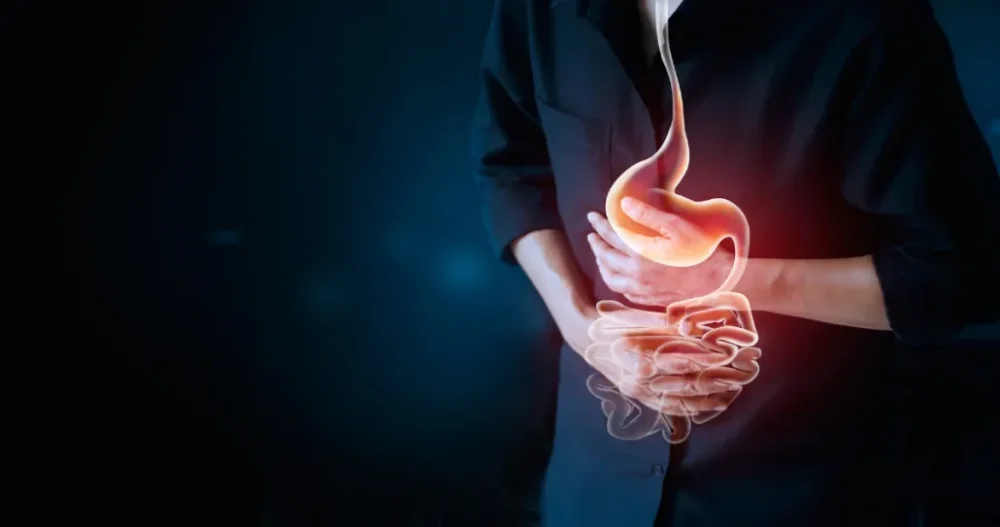
Is There A Way To Cure GERD Permanently?

Article first published on G&L Surgical

Gastroesophageal reflux disease (GERD) is a persistent condition that affects millions worldwide. While medications can help control symptoms, many people find that their discomfort keeps returning, leading them to wonder: Is there a permanent cure for GERD?

The answer isn’t always straightforward. GERD requires long-term management, and in some cases, surgical intervention may be the most effective solution. In this article, we explore why GERD recurs, available treatment options, and whether a permanent cure is possible.

Understanding GERD: Why Does It Keep Coming Back?

Many people with GERD rely on medications like antacids, H2 blockers, or proton pump inhibitors (PPIs) to control their symptoms. While these drugs reduce acid production and provide relief, they don’t fix the underlying issue—a weak or dysfunctional lower esophageal sphincter (LES). This means that once medication is stopped, acid reflux often returns.

Since medications only manage GERD rather than cure it, addressing lifestyle factors, weight management, and in some cases, surgery may be necessary for long-term relief.

Can GERD Be Cured Permanently?

GERD is a chronic condition, but whether it can be cured depends on the cause and severity. In most cases, GERD is managed rather than completely cured—meaning symptoms can be controlled, but the underlying issue may persist.


Managing GERD involves reducing symptoms and preventing complications through lifestyle changes or medications. A true cure typically requires addressing the root cause, such as a weak lower esophageal sphincter (LES) through Nissen Fundoplication surgery. 

Can Lifestyle and Dietary Changes Cure GERD?

Lifestyle changes can help manage GERD, but they may not cure it if the underlying cause is a weak lower esophageal sphincter (LES). Here are some lifestyle changes that may help:

  • Foods to avoid: Spicy foods, citrus, caffeine, alcohol, fried foods.
  • Foods that may help: Oatmeal, bananas, ginger, lean meats, green vegetables.
  • Weight management: Excess weight puts pressure on the stomach, worsening reflux. Smaller, balanced meals help.
  • Daily habits: Elevating the upper body during sleep and avoiding meals before bedtime can reduce symptoms.

These adjustments can provide relief, but if symptoms persist, other treatments may be needed.

Can Medication Cure GERD?

Medications can control GERD symptoms but don’t cure the condition. They work by reducing acid production or neutralizing stomach acid, but they don’t fix a weak lower esophageal sphincter (LES).

  • Antacids provide quick relief but don’t prevent reflux.
  • H2 blockers reduce acid production for longer relief.
  • PPIs are the strongest acid reducers, often used for chronic GERD.

However, long-term medication use can lead to vitamin and mineral deficiencies, increased risk of osteoporosis, rebound acid reflux after stopping PPIs, and a higher susceptibility to infections. Since medication only manages symptoms, other treatment options may be necessary for lasting relief.

Surgical Treatment for GERD: A Permanent Solution

For patients with severe GERD that doesn’t improve with lifestyle changes or medication, surgery may offer a long-term solution. Surgery is typically considered when GERD significantly affects quality of life, leads to complications like Barrett’s esophagus, or when patients want to avoid lifelong medication.

The most common procedure, Nissen fundoplication, involves wrapping the upper part of the stomach around the lower esophageal sphincter (LES) to strengthen it and prevent acid reflux.

Most patients experience significant relief after surgery, reducing or eliminating the need for medication. However, some may still experience occasional reflux, and a small percentage may develop side effects like difficulty swallowing or bloating. While not everyone is a candidate, for the right patient, surgery can be an effective, lasting solution for GERD.

Is Surgery Right for You? Factors to Consider

Surgery can be an effective solution for GERD, but it’s important to consider whether it’s the right option for your specific condition.

Surgery is typically recommended for:

  • Patients with severe GERD: Those who experience frequent, debilitating symptoms that significantly affect daily life.
  • Individuals with complications: Such as Barrett’s esophagus, esophageal strictures, or lung damage due to aspiration.
  • People who don’t respond to medication or lifestyle changes: Surgery may be considered when these treatments fail to provide long-term relief.
  • Patients who prefer a permanent solution: Those looking to avoid long-term medication use and the associated risks.

The recovery process typically involves a liquid diet at first, followed by a gradual reintroduction of solid foods and activity restrictions for a few weeks.

Taking the Next Step: Getting Long-Term Relief from GERD

If you’ve been managing GERD with medications and lifestyle changes but still experience symptoms, it might be time to consult a specialist. If your symptoms persist or worsen, or if you’re dealing with complications, a gastroenterologist can help guide you towards the right solution.

At G&L Surgical, we offer personalised care and the option of Nissen fundoplication for those seeking long-term relief. During your consultation, we’ll discuss your symptoms, recommend the appropriate tests, and explore the best treatment options for you.

Let us help you take the next step towards feeling better. Contact G&L Surgical today to schedule your consultation and start your journey to lasting relief.
Can I Still Have Gallbladder Surgery If I’m Experiencing Painful Gas, Stomach Ache, and Diarrhea?

Article first published on G&L Surgical

If you have gallbladder issues and surgery is already scheduled, but you’re concerned about ongoing symptoms like painful gas, stomach aches, and diarrhea, you’re not alone. These digestive issues can understandably make you anxious about whether it’s still safe to go ahead with your surgery. The good news is that, in most cases, it’s still safe to proceed with gallbladder surgery. However, there are some key factors you should consider and discuss with your surgeon to ensure everything goes smoothly.

Understanding Your Symptoms: What’s Normal and What’s Concerning?

Before your surgery, it’s important to understand the nature of your symptoms. Gas, stomach aches, and diarrhea can all be signs that your gallbladder isn’t functioning properly, but they could also be indicative of other underlying issues. Mild and intermittent symptoms may be manageable and might not prevent you from undergoing surgery. However, if these symptoms are frequent, severe, or accompanied by other signs like fever or vomiting, it’s essential to speak with your healthcare provider right away.

Tracking your symptoms can be helpful. Pay attention to how often they occur, whether they’re linked to certain foods, and their severity. This will give your surgeon valuable information to assess your readiness for surgery.

How Painful Gas, Stomach Ache, and Diarrhea Can Relate to Gallbladder Issues

The gallbladder plays a vital role in digesting fats, and when it malfunctions, it can cause symptoms like painful gas, bloating, stomach aches, and diarrhea. Gallstones, inflammation, or infection can block bile flow, leading to digestive issues. If you’re dealing with these symptoms, it’s likely that your gallbladder is contributing to the problem, and surgery may help address the root cause.

However, if your symptoms are related to something other than gallbladder disease (such as a separate digestive issue), it’s important that this is identified before surgery. This is where your surgeon’s expertise comes in.

Is It Safe to Undergo Gallbladder Surgery with Digestive Symptoms?

Yes, it is generally safe to undergo gallbladder surgery even if you’re experiencing digestive issues. In fact, addressing the underlying problem with your gallbladder could ultimately relieve your symptoms, such as painful gas, bloating, and diarrhea. Gallbladder surgery (whether traditional or laparoscopic) is designed to resolve these issues and improve your digestive health.

However, your surgeon may want to review your specific case to ensure there are no other factors at play. If your symptoms are related to an infection or severe inflammation, your surgeon might recommend managing those issues first before surgery. In some cases, your surgery might be delayed to ensure the best possible outcome.

Preparing for Surgery: What You Need to Know About Managing Digestive Issues

Even if you have digestive symptoms leading up to your surgery, there are steps you can take to manage them and feel more comfortable. Your doctor may recommend dietary changes, such as avoiding fatty or spicy foods, to minimize symptoms before surgery. Additionally, you may be prescribed medications to alleviate gas, bloating, or diarrhea in the short term.

Your surgeon will also provide pre-surgery instructions, such as fasting or adjusting medications, to ensure your body is ready for the procedure. Following these instructions carefully will help reduce any complications related to your digestive system during surgery.

After Surgery: What to Expect with Your Digestive Health

After gallbladder surgery, many patients experience improvement in their digestive symptoms. With the gallbladder no longer causing blockages, you should notice less pain, gas, and bloating. However, it’s normal to have some digestive changes post-surgery, as your body adjusts to life without a gallbladder. Some people experience mild diarrhea or changes in bowel habits, but these symptoms often improve over time.

In the weeks following surgery, it’s important to follow a healthy diet and gradually reintroduce fats into your meals to allow your digestive system to adapt. If you continue to experience significant symptoms after surgery, it’s important to consult your healthcare provider to rule out other conditions.

Conclusion

If you’re experiencing painful gas, stomach aches, or diarrhea before your gallbladder surgery, it’s important to address these concerns with your surgeon. In most cases, these symptoms won’t prevent surgery, but it’s always best to consult with a healthcare professional to ensure you’re fully prepared. At G&L Surgical Clinic, we’re here to guide you through every step. Contact us today for a consultation to discuss your symptoms and ensure your surgery goes smoothly.

Why Do I Feel Hungry All The Time?

Article first published on G&L Surgical

Feeling hungry all the time can be frustrating, especially when it doesn’t seem related to how much you eat. Hunger isn’t just about food; it’s a complex system involving hormones, your digestive system, and even your daily habits. By understanding how this process works, you can uncover what might be causing persistent hunger and take steps to manage it effectively.

In this article, we’ll explore how hunger is regulated, how your digestive system signals fullness, and potential reasons you might feel hungry all the time—including diet, hydration, sleep, and gastrointestinal (GI) issues.

How Does Hunger Work?

Hunger is your body’s way of signaling that it needs energy. This process is driven by a mix of hormonal signals, brain responses, and physical sensations. Two key hormones play a big role in hunger: ghrelin and leptin.

  • Ghrelin: Often called the “hunger hormone,” ghrelin is produced in the stomach and signals the brain when it’s time to eat. When your stomach is empty, ghrelin levels rise and communicate with the hypothalamus—a part of the brain that controls appetite. After you eat, ghrelin levels drop, making you feel satisfied.
  • Leptin: Known as the “fullness hormone,” leptin is produced by fat cells and tells your brain when your body has enough energy stored. However, in some cases, like obesity, the brain may not respond to leptin signals properly, leading to persistent feelings of hunger.

Hunger can sometimes be confused with emotional triggers like boredom or stress, which may prompt you to eat even when your body doesn’t need food. Practicing mindful eating can help you differentiate between physical and emotional hunger.

What Is The Digestive System’s Role in Fullness?

Your digestive system plays an active role in helping you feel full. The stomach and intestines have mechanisms that signal the brain when you’ve eaten enough.

  • Stretch Receptors: These receptors in the stomach detect when it’s full and send signals to the brain to reduce hunger.
  • Gut Hormones: Hormones like peptide YY (PYY) and cholecystokinin (CCK) are released after eating. These hormones slow digestion and create a feeling of satisfaction, helping you avoid overeating.

If these signals are disrupted—due to certain medical conditions or lifestyle factors—you may experience persistent hunger even after eating a full meal.

Why Do I Find Myself Persistently Hungry?

lady holding her stomach in pain

If you find yourself constantly hungry, there are several possible explanations. Understanding the root cause can help you make the right changes.

Gastrointestinal Conditions

Certain GI conditions can mimic hunger by interfering with normal digestive processes:

  • Gastritis or GERD: These conditions increase stomach acidity, which can feel like hunger even when it’s not.
  • Delayed Gastric Emptying: When food moves too slowly from the stomach to the intestines, it can disrupt hunger and fullness signals.

Dietary Choices

What you eat can significantly impact how full you feel after meals:

  • Low-Protein Meals: Protein is essential for keeping you full. Meals that are low in protein may leave you feeling hungry soon after eating.
  • Refined Carbohydrates: Foods like white bread and sugary snacks cause quick spikes in blood sugar, followed by crashes that trigger hunger.
  • Low Fiber Intake: Fiber slows digestion and adds bulk to meals, promoting longer-lasting fullness.

Dehydration

Your body sometimes mistakes thirst for hunger, leading to unnecessary snacking. Drinking a glass of water before meals can help you determine if you’re truly hungry or just dehydrated.

Sleep Deprivation

Lack of sleep disrupts the balance of hunger-regulating hormones. It increases ghrelin (hunger hormone) while reducing leptin (fullness hormone), which can lead to overeating.

Stress or Emotional Eating

Stress, anxiety, or boredom can trigger emotional eating, where you eat for comfort rather than physical hunger. Identifying these emotional triggers and practicing mindful eating can help curb this habit.

How Can I Address Persistent Hunger?

healthy bowl of food

Managing constant hunger involves addressing both your diet and lifestyle. Making small but intentional changes can go a long way in restoring balance.

Improve Dietary Choices

Start by improving your dietary habits. Eating meals rich in protein, fiber, and healthy fats can stabilise hunger levels and keep you satisfied for longer. Foods like lean meats, nuts, seeds, whole grains, and fresh produce are excellent choices.

Stay Hydrated

Hydration is equally important. Drinking water throughout the day helps prevent confusion between thirst and hunger. If plain water isn’t appealing, try herbal teas or fruit-infused water to stay hydrated.

Prioritise Sleep

Getting enough sleep is crucial for hunger regulation. Aim for 7–9 hours of quality sleep each night to support hormonal balance and prevent overeating. Establishing a consistent bedtime routine can help improve your sleep quality.

Manage Stress

Stress management also plays a role. Activities like meditation, yoga, or journaling can reduce stress levels and minimize emotional eating. Recognizing when you’re eating out of boredom or anxiety can help you redirect your energy into healthier habits.

Seek Medical Guidance

If your hunger persists despite these efforts, it’s essential to consult a healthcare professional. GI conditions like gastritis or leptin resistance may require medical intervention.

Our doctor and friendly staff will be happy to help you understand what your underlying cause of persistent hunger may be caused by. 

The Bigger Picture: Listening to Your Body

Hunger is a natural and essential signal, but when it becomes persistent or unmanageable, it’s worth taking a closer look at what’s driving it. By understanding the connections between hormones, your digestive system, and lifestyle factors, you can take steps to address the root cause and regain control over your appetite.

If you’re concerned that persistent hunger might be linked to a deeper issue, contact G & L Surgical Clinic. Our team is here to help you uncover the underlying cause and find a solution tailored to your needs.

Can Acid Reflux Cause Cancer?

Article first published on G&L Surgical

Acid reflux, also known as GERD (Gastroesophageal Reflux Disease), refers to a chronic digestive disorder affecting millions of people worldwide. 

While most cases can be managed through a combination of lifestyle changes and medications, persistent and untreated acid reflux may lead to severe complications, including an increased risk of developing oesophageal cancer. 

This article aims to delve into the connection between chronic acid reflux and cancer, exploring potential underlying causes, associated risks, and the available treatment options, such as fundoplication surgery, that address the root causes of GERD.

Understanding Acid Reflux and GERD

Acid reflux occurs when stomach acid flows back into the oesophagus due to a weakened lower oesophageal sphincter (LES). Gastroesophageal Reflux Disease is a more severe and chronic form of this condition. Symptoms of GERD include heartburn, regurgitation, chest pains, and difficulty swallowing.

Over time, the repeated exposure of the oesophageal lining to stomach acid can cause inflammation (esophagitis) and damage to the tissue. If GERD is left untreated or poorly managed over an extended period, it can lead to complications such as Barrett’s oesophagus. This a condition that can significantly increase one’s risk of oesophageal adenocarcinoma, a form of cancer.

Barrett’s Esophagus

Barrett’s oesophagus may develop in some individuals with recurrent GERD. It occurs when the normal squamous cells lining the esophagus become damaged causing the cells to change. 

This cellular change is the body’s response to chronic acid exposure, attempting to protect itself from further damage. While Barrett’s oesophagus in itself is not cancerous, it can increase an individual’s risk of oesophageal cancer. 

Our doctor recommends regular monitoring for patients diagnosed with Barrett’s oesophagus to detect any early signs of dysplasia (precancerous changes) or cancer.

Chronic Inflammation and DNA Damage

Chronic acid reflux can cause inflammation and oxidative stress, leading to DNA damage in the oesophageal lining. This damage, combined with the body’s attempts to repair it, creates an environment conducive to genetic mutations. Over time, these mutations can lead to the development of cancerous cells in the body.

What Are The Risk Factors For Progression?

doctor checking weight of patient

Certain factors may increase the likelihood of Gastroesophageal Reflux Disease progressing to Barrett’s oesophagus and eventually to cancer. 

These may include:

  • Duration and severity of GERD: Long-term and poorly managed GERD can increase one’s risk.
  • Obesity: Particularly abdominal obesity, which raises intra-abdominal pressure and worsens acid reflux.
  • Smoking and alcohol consumption: Both activities can contribute to chronic oesophageal irritation.
  • Dietary habits: High-fat diets, excessive caffeine, and acidic or spicy foods can worsen the symptoms presented by GERD.

How Can I Manage GERD and Reduce Cancer Risk?

Managing GERD in order to reduce the risk of developing cancer can be done with the help of lifestyle changes and medication. Below we discuss some of the options available to patients suffering from GERD. 

Lifestyle Changes

The first line of defence against GERD involves lifestyle modifications which help reduce the occurrence of reflux. These may include:

  • Avoiding trigger foods and beverages
  • Maintaining a healthy weight
  • Elevating the head of the bed to prevent nighttime reflux
  • Eating smaller, more frequent meals
  • Avoiding lying down for at least 2-3 hours after eating

Medications

Medications that are commonly used to manage GERD symptoms and reduce acid production may be recommended by our doctor. These may include:

  • Proton pump inhibitors (PPIs): Aid in reducing stomach acid, PPIs like omeprazole and esomeprazole may be prescribed where necessary
  • H2-receptor antagonists: Drugs like ranitidine or famotidine also reduce acid production
  • Antacids: Can provide temporary relief by neutralising stomach acid

While medications can aid patients in managing their symptoms, they may not prevent complications like Barrett’s oesophagus or even cancer in more severe cases.

What Can Be Done When Medications Are Not Enough To Treat GERD?

bottles of pills

For patients facing severe cases of GERD who find that their symptoms are not responding to lifestyle changes or medications, surgical intervention may be recommended by our doctor. 

Laparoscopic Nissen Fundoplication is a surgical procedure that offers a more permanent solution by addressing the root cause of GERD.

What Is Laparoscopic Nissen Fundoplication?

Laparoscopic Nissen Fundoplication involves wrapping the top portion of the stomach around the lower oesophagus. In doing so, this creates a stronger barrier in preventing acid from flowing back into the oesophagus. 

The procedure is performed laparoscopically, making it minimally invasive with shorter recovery times for patients.

What Are The Benefits Of Laparoscopic Nissen Fundoplication In Treating GERD?

A Laparoscopic Nissen Fundoplication aids in preventing the stomach juices and acids from flowing back into the oesophagus while allowing the muscles to strengthen and the tissues to heal. 

Here are some benefits that come with a Laparoscopic Nissen Fundoplication: 

  • Restores function: By strengthening the LES, fundoplication addresses the underlying cause of GERD rather than just managing symptoms
  • Reduces complications: By preventing acid reflux, it lowers the risk of developing Barrett’s oesophagus and oesophageal cancer
  • Improves quality of life: Many patients experience long-term relief from GERD symptoms

In Conclusion

The link between chronic acid reflux and oesophageal cancer highlights the importance of early diagnosis, effective management, and appropriate treatment. While lifestyle changes and medications are sufficient for many, severe or untreated GERD can lead to serious complications like Barrett’s oesophagus and oesophageal cancer.

Fundoplication offers a promising surgical option for those seeking a long-term solution to GERD, addressing its root cause and reducing cancer risk. By understanding the risks and proactively managing GERD, individuals can protect their health and prevent potentially life-threatening complications.

If you experience persistent acid reflux symptoms, contact G & L Surgical Clinic and allow our friendly staff to assist you in scheduling an appointment with Dr Ganesh Ramalingam for proper evaluation and guidance. Early intervention can make all the difference in preventing complications and ensuring a healthier future.

What Is The Difference Between GERD And Stomach Ulcer?

Article first published on G&L Surgical

Gastrointestinal problems can be confusing because many conditions share similar symptoms, especially regarding issues related to the stomach and oesophagus. 

Among the most common are Gastroesophageal Reflux Disease (GERD) and stomach ulcers. While both conditions cause discomfort, particularly in the upper abdomen, they are fundamentally different in terms of causes, symptoms, and treatments. Let’s explore what sets GERD and stomach ulcers apart and how you can differentiate between the two.

However, if you are facing severe gastrointestinal pains, it is always advisable that you seek immediate medical attention. Our doctor, Dr Ganesh Ramalingam, will be happy to assist you in understanding the cause of any pain and recommend a treatment plan best suited to your condition. 

What is Gastroesophageal Reflux Disease (GERD)?

Gastroesophageal Reflux Disease (GERD) occurs when stomach acid frequently flows back into the oesophagus, the tube connecting your mouth and stomach. This backwash, known as acid reflux, irritates the lining of your oesophagus, and can lead to a burning sensation and other symptoms. 

Acid reflux is diagnosed as GERD, which is a chronic condition that is diagnosed when acid reflux occurs at least twice a week.

What Causes Gastroesophageal Reflux Disease (GERD)?

GERD is primarily caused by the weakening of the lower oesophagal sphincter (LES), the valve that separates the stomach from the oesophagus. When this muscle weakens or relaxes abnormally, stomach acid can travel upward into the oesophagus. Factors contributing to GERD include:

  • Dietary habits: Spicy foods, fatty foods, caffeine, and alcohol can aggravate GERD.
  • Obesity: Excess body weight puts pressure on the abdomen, which can force stomach acid upward.
  • Pregnancy: The growing uterus can press on the stomach, leading to acid reflux.
  • Hiatal hernia: This occurs when part of the stomach pushes through the diaphragm into the chest cavity, disrupting the function of the LES.

What Are the Symptoms of Gastroesophageal Reflux Disease (GERD)?

man with acid reflux

The main symptom of GERD is heartburn, a burning sensation in the chest that often occurs after eating and may worsen at night. Other symptoms include:

  • Regurgitation: A sour or bitter-tasting acid backing up into the throat or mouth.
  • Difficulty swallowing (dysphagia).
  • Chronic cough or the sensation of a lump in the throat.
  • Hoarseness or sore throat: Acid can irritate the vocal cords.

For many people, GERD symptoms worsen when lying down, making nighttime discomfort a frequent issue.

What is a Stomach Ulcer?

A stomach ulcer, also known as a gastric ulcer, is a sore that forms on the stomach lining due to damage caused by stomach acid. Ulcers can also form in the first part of the small intestine, called the duodenum, in which case it is referred to as a duodenal ulcer. Both are classified under peptic ulcer disease.

What Causes Stomach Ulcers?

Unlike GERD, where the focus is on acid reflux, stomach ulcers are primarily caused by an imbalance between stomach acid and the protective lining of the stomach. 

Some key causes include:

  • Helicobacter pylori infection: This bacterium damages the stomach lining, making it vulnerable to acid.
  • Long-term use of NSAIDs (Nonsteroidal Anti-Inflammatory Drugs): Medications like ibuprofen, aspirin, and naproxen can disrupt the stomach’s protective mucus lining, leading to ulcers.
  • Smoking and alcohol: Both can exacerbate the damage to the stomach lining and slow the healing process.
  • Stress and spicy foods: While not direct causes, these factors can worsen ulcer symptoms.

What Are the Symptoms of Stomach Ulcers?

doctor showing stomach ulcer on stomach model

Stomach ulcers are often described as causing a burning or gnawing pain in the abdomen, particularly when the stomach is empty. Other symptoms include:

  • Pain relief when eating: Strangely, for many people, eating or drinking milk temporarily relieves ulcer pain, though symptoms return once digestion resumes.
  • Nausea or vomiting: In severe cases, vomiting blood may occur.
  • Dark, tarry stools: This is a sign of bleeding in the stomach or intestines.
  • Bloating or belching: Ulcers can cause indigestion and excess gas.

GERD vs. Stomach Ulcer: What Are the Key Differences?

While both GERD and stomach ulcers cause discomfort in the upper abdomen, they are quite distinct. 

Here’s how you can tell them apart:

Location of the Problem

  • GERD affects the oesophagus, the tube that carries food from your mouth to your stomach. The acid from your stomach causes irritation when it rises into the oesophagus.
  • Stomach ulcers occur directly in the stomach lining or the upper part of the small intestine (duodenum). The damage is localised to the tissues of the stomach or small intestine.

Nature of the Pain

  • GERD: The burning pain of GERD typically occurs in the chest area and is often described as heartburn. This pain may worsen after eating, lying down, or bending over.
  • Stomach Ulcer: The pain associated with ulcers tends to be more localised in the abdomen, often just below the rib cage. Unlike GERD, stomach ulcer pain is usually more intense when the stomach is empty, such as between meals or in the middle of the night.

Triggers and Relief

  • GERD: Symptoms worsen after eating, especially with fatty or spicy foods, and lying down can exacerbate the problem. Over-the-counter antacids may provide temporary relief.
  • Stomach Ulcer: The pain may temporarily improve when eating or drinking, as food can buffer the stomach acid, but symptoms often return as the stomach empties. Antacids can also help, but ulcers require more targeted treatment.

Complications

  • GERD: Long-term untreated GERD can lead to inflammation of the oesophagus, oesophagal strictures (narrowing of the oesophagus), or Barrett’s oesophagus, a condition that can increase the risk of oesophagal cancer.
  • Stomach Ulcer: Untreated ulcers can lead to bleeding, perforation of the stomach lining, or obstruction of food passing through the digestive tract, all of which are potentially life-threatening.

How Are These Conditions Diagnosed? 

Both conditions can be diagnosed using gastroscopy, where a small camera is inserted down the throat to view the oesophagus, stomach, and duodenum. 

In GERD, the oesophagus may appear irritated or inflamed. For ulcers, visible sores or inflammation in the stomach lining or small intestine will confirm the diagnosis. Testing for H. pylori is also common when ulcers are suspected.

What Treatment is Available for These Conditions? 

GERD treatment often involves lifestyle changes, such as avoiding trigger foods, eating smaller meals, and not lying down after eating. Medications like proton pump inhibitors (PPIs) or H2 blockers reduce acid production. Severe cases may require surgery to tighten the LES.

Stomach ulcers are typically treated with antibiotics (if H. pylori is present) and acid-suppressing medications like PPIs. If the ulcer is caused by NSAIDs, stopping their use is crucial.


Get an Accurate Diagnosis at G&L Surgical

dr ganesh ramalingam

Though GERD and stomach ulcers may share similar symptoms, their causes, complications, and treatments differ significantly. GERD is rooted in acid reflux, primarily affecting the oesophagus, while stomach ulcers stem from damage to the stomach lining. 

Understanding these differences can help you identify symptoms and seek appropriate medical care, ensuring long-term digestive health.

If you are concerned about stomach ulcers or GERD, schedule an appointment with G&L Surgical Clinic, where our staff and doctors will be happy to walk with you through your health journey and help you understand the next best steps. 

From gym gains to pain: How heavy weightlifting and intense workouts can cause hernia

Article first published on The Straits Times

SINGAPORE – In 2023, Mr Joshua See saw a doctor after he experienced some pain in his left testicle. There was also a small bulge on the right side of his pelvic area. 

A physical examination with a urologist showed that he had an inguinal hernia, also known as a groin hernia. 

A hernia is a condition in which part of an organ protrudes through a cavity wall, such as the intestine bulging through a weak part of the abdominal wall. It is caused by a combination of muscle weakness and strain.

“It caused me anxiety and stress knowing that my intestines were sticking out. I had never undergone surgery, and the thought of going under the knife was quite scary,” says the 35-year-old. 

Mr See is the founder and chief executive of a preventive care company and has a fiancee. 

He decided to give himself three months to try to heal naturally.

He sought a physiotherapist’s help to strengthen the muscles in his abdominal area, and wore a hernia belt. The belt applies gentle pressure to the hernia, which can help reduce discomfort and prevent the protrusion from worsening.

Ironically, it caused him more discomfort. 

He then consulted Dr Ganesh Ramalingam, medical director and specialist in general surgery at G&L Surgical Clinic, located at Mount Elizabeth Novena Hospital. An ultrasound scan showed that Mr See had inguinal hernia on the left and right sides of his groin. 

He underwent hernia repair surgery in April 2023. 

The procedure repairs the weakened muscle or tissue, and pushes the protruding organ or fatty tissue back into place to prevent discomfort and complications.

Overuse of abdominal muscles

Heavy weightlifting and exercising over many years could have caused Mr See’s hernia, says Dr Ganesh.  

Mr See has been active since his teenage years, playing basketball competitively in secondary school and starting weight training when he was 13.

Before he developed a hernia, he was working out almost every day, running and doing high-intensity interval training. 

He also did weight training three times a week, carrying 85kg to 100kg while doing exercises such as bench presses, squats and shoulder presses. 

Heavy weightlifting and exercising over many years could have caused Mr Joshua See’s hernia, says his doctor. ST PHOTO: GAVIN FOO

Overuse of the muscles in the abdominal area over a long period of time can cause them to be strained, and lead to weakening of the tissues, causing a hernia, says Dr Ganesh.

As a person ages, the body’s ability to repair tissues and muscles after exertion also diminishes. 

“The natural repair processes that heal small tears in muscles become less effective, which can increase the likelihood of a hernia developing,” he notes. 

This can happen with professional athletes, including soccer players and bodybuilders, says Dr Ganesh. 

According to a study published in the Brazilian Journal of Orthopaedics in 2016, hernias impact as many as 20.9 per cent of athletes, with weightlifting being one of the most common sports leading to hernias. 

Dr Chok Aik Yong is the medical director at Aelius Surgical Centre at Mount Elizabeth Hospital in Orchard. He says exercises that put extra emphasis on the hips, abdominal muscles and groin, such as deadlifts and squats, can repeatedly strain and add compounding stress to the abdominal muscles, potentially resulting in an inguinal hernia.

Heavy weightlifting and strenuous physical exertion, he adds, often involve the contraction of major muscle groups including the rectus abdominis (commonly referred to as abs), oblique muscles (at both flanks) and diaphragm.

This results in increased pressure within the abdominal cavity. 

“Like your blood pressure, intra-abdominal pressure must stay within normal range to avoid problems. When you lift weights or engage in physical activity, the intra-abdominal pressure rises, with pressure further increasing when lifting from a squatting position. The downward pressure effect can be further exacerbated with gravity, contributing to the development of inguinal and other hernias,” says Dr Chok. 

Sudden increase in physical activity causes risk

A hernia can also develop in people who suddenly step up their level of physical activity or heavy lifting after a period of being sedentary. This abrupt change can strain the muscles and tissues, creating a weak spot through which internal organs or tissues may protrude, says Dr Ganesh.

In March, Mr Lorenzo Lim, 28, started exercising after being largely sedentary for four years. 

Mr Lorenzo Lim developed a groin hernia after he did a 110kg deadlift earlier in 2024. ST PHOTO: AZMI ATHNI

“In the past, I could lift 130kg quite easily. This time, I started off with lighter weights, but felt they were too light. So I decided to lift heavier at 110kg and I felt it was okay. But when I kept lifting, I started to feel a pain in my groin,” says Mr Lim, who works as a freelancer in the events and marketing industry. 

He saw Dr Brian Anthony Tian, a consultant at Singapore General Hospital’s (SGH) General Surgery department, in May. A check-up showed that Mr Lim had an inguinal hernia and required an operation. 

Mr Lim, who has a girlfriend, has stopped exercising in the meantime. He plans to go for hernia repair surgery in August or September. He will also hire a personal trainer for guidance when he resumes exercise. 

Groin hernia is most common

There are several types of hernia, but inguinal hernia is the most common type, say doctors. 

Globally, as high as 25 to 30 per cent of men can develop hernias in their lifetime, says Dr Tian. While it is a lot rarer in women, groin hernia is still the most common type in women, he adds.

According to the 2019 Global Burden of Disease Study, in that year, 86 per cent of the cases of inguinal, femoral, and abdominal hernias were males (11.24 million) and 14 per cent were females (1.79 million).

There are two different types of inguinal hernias – indirect and direct hernias. 

Direct hernias form in an area of weakness at the groin. “This weakness develops as one ages, on a background of regular straining,” says Dr Tian.

Indirect hernias have a different origin or cause. 

He says: “In male babies, the testicles form within the abdomen and move through the inguinal (groin) canal into the scrotum. The inguinal canal typically closes soon after birth. In cases where this canal doesn’t close properly, it will manifest as a hernia when internal organs slide out through this canal.” 

This same process occurs in females. However, without the presence of testicles, this canal generally closes up.

Besides heavy weightlifting and sudden intense exercise, prolonged coughing or straining during bowel movements and while urinating can also increase pressure within the abdomen, and contribute to the development of a hernia, say doctors. 

Dr Brian Anthony Tian (right), a consultant at Singapore General Hospital’s General Surgery department, sharing the causes of hernia with Mr Lorenzo Lim. ST PHOTO: AZMI ATHNI

People with inguinal hernias often have a noticeable bulge in the groin region, especially when standing, coughing or straining. It is often accompanied by aching or discomfort at the site of the bulge. They might also experience pain or pressure in the groin, exacerbated by bending over, coughing or lifting.

In severe cases, Dr Chok says there may be pain and swelling around the testicles as intestines descend into the scrotum.

While small inguinal hernias may not cause symptoms, these may enlarge over time, leading to more symptoms as weakened muscle walls give way and tissues protrude. 

If left untreated, patients may be at risk of a strangulated hernia, which can result in infection and even death, says Dr Chok. 

The symptoms of a strangulated inguinal hernia include severe pain and redness in the affected region, fever, rapid heart rate, nausea and vomiting. 

Surgery can be performed to repair a hernia, like in Mr See’s case, and prevent complications from occurring. 

“This involves returning the abdominal contents to the abdominal cavity and reinforcing the weakened area of the abdominal wall. This is usually done with an insertion of a mesh over the weakened area,” says Dr Tian. 

The mesh causes the body to form strong scar tissue in the region it is placed and strengthen the abdominal wall, he explains. The procedure may be performed in open or keyhole surgery. 

Two months after Mr See’s hernia surgery, he hired a personal trainer and gradually resumed exercise.  

“It is important to seek professional medical advice quickly if you think you might have a hernia. I hope the awareness of the condition can be raised, so it leads to early discovery and proper treatment, and so people can resume their daily activities faster,” says Mr See.

Reducing risk of hernia while exercising

It is important to avoid working out with very heavy weights. While the definition of this varies significantly based on an individual’s strength, experience and body weight, there are general guidelines, says Dr Chok. 

If you are unable to maintain proper form or hold the weight in one position without losing control, the weight is likely too heavy. 

During a repetition, Dr Chok suggests pausing the movement to see if you can keep the weight steady for a few seconds. If you struggle to control the weight at any point, consider reducing it until you find a manageable option. 

You can also consider the use of supports and appropriate exercise gear during workouts. For instance, if you do weighted squats or deadlifts, use a weightlifting belt, advises Dr Chok. “This can provide added support to the abdominal and lower back muscles, and help prevent injury.”

If you are increasing the weight you are lifting, Dr Chok says a good indicator is if you can complete two or three sets of 10 to 12 repetitions, and the last few repetitions feel significantly easier. “This suggests that your muscles have adapted, and it is time to add more weight to continue progressing,” he adds.

Dr Chok shares four tips to reduce the risk of hernia developing as a result of exercise.

1. Strengthen your abs

Although strengthening your entire core cannot guarantee a hernia will not occur, it is important as a preventive move and to maintain overall well-being. Recommended exercises include planks and bicycle crunches.

2. Practise proper lifting techniques

When lifting heavy objects, use your legs instead of your back, and avoid sudden, jerky movements that might strain your abdomen.

3. Use a weightlifting belt for support

If you do weighted squats or deadlifts, use a weightlifting belt. This can provide added support to the abdominal and lower back muscles, and help prevent injuries.

4. Warm up with lighter weights

It is important that you increase weights gradually during your workout, even if you have been weightlifting for years. Start with a few warm-up sets using lighter weights, then gradually increase the weight while reducing the number of repetitions.

Steps and the city: How the walking trend is making strides in Singapore

Article first published in The Straits Times

Walking is having its moment.

If you have been scrolling through social media lately, you might have stumbled upon #hotgirlwalk, showing women incorporating outdoor walks into their fitness routines.

The hashtag has been trending globally on short-video app TikTok since 2021, with the clips having been viewed more than 1.2 billion times.

Other viral sensations on the platform include #NatureWalk videos – people walking or hiking in nature – with 250.7 million views, and #WalkingBackwards videos – trekking around in reverse to improve balance and reduce knee pains – with 16.2 million views.

Then there is #SilentWalking, for those who prefer walking without headphones or any audio distractions – clips with that hashtag have garnered a total of 879,000 views.

The walking trend is also gaining traction in Singapore. A quick search for “walking group Singapore” throws up more than 20 groups on Facebook, including one – Singapore Walking Group – with more than 10,000 members.

On Meetup.com, a social networking site, niche walking groups abound. There are groups for people who want to make new friends, improve their Japanese, meditate while walking or practise Nordic walking (walking with specially designed poles).

Walking groups appear to be especially popular with seniors. The Straits Times attended walks with four different groups over two weeks and found that most participants are in their 50s and 60s.

Dr Lim Boon Leng, a psychiatrist from Dr BL Lim Centre for Psychological Wellness, says: “These groups meet both the physical activity and social needs of seniors, who are now better educated and more health conscious.

“Walking groups help them maintain an active lifestyle and connect with peers, combating loneliness. The structure and routine provided by these groups can also give seniors a sense of purpose and regular social engagements.”

Covid-19 and the new wellness craze

Ms Olevia Cheong, 55, has been organising walks for her friends along park connectors and nature trails in Singapore since November 2020. PHOTO: COURTESY OF OLEVIA CHEONG

The interest in group walks surged during the Covid-19 pandemic.

In 2020, Ms Olevia Cheong, 55, found herself in Singapore for an extended period of time for the first time in years.

Before the pandemic grounded flights and restricted international travel, the freelance tour manager would lead about 10 tour groups a year to Europe.

In November 2020, a few months after the circuit breaker period ended, she organised her first group walk.

“We were just friends going for a walk together. We wanted to get some outdoor exercise and help everybody keep in shape after being cooped up indoors for so long,” says Ms Cheong, who trekked for 2½ hours through the nature trail in Clementi Forest with nine pals.

They enjoyed the walk so much that they decided to do it every alternate Saturday. 

Next, she started Awesome One – a Facebook group that now has more than 700 members. There, she shares information about upcoming group walks, the exercise classes she leads, and the overseas tours that she organises. 

“Since I was young, I’ve always been the one initiating meet-ups among friends,” says Ms Cheong, whose walking group has explored Dover Forest, Sentosa and Lazarus Island.  

“Before Covid-19, I had never explored these places,” she says, adding that her main goal is to encourage her friends to lead an active lifestyle. 

“During the pandemic, I started to realise that people get depressed when they don’t leave their homes. People are not meant to live alone. My walks became a way for friends to reconnect.”

She noticed friendships blossoming during the walks.

In April 2024, she and three people from the walking group went on an eight-day holiday to India. They visited the Taj Mahal, a Unesco World Heritage Site, and experienced the tulip festival in Srinagar, Kashmir.

Dr Rathi Mahendran from Mind Care Clinic says walking is one of the easiest ways to stay active. 

“Walking as a form of aerobic exercise has the most evidence for treating symptoms of depression,” adds the psychiatrist who, in addition to her clinical practice, is involved in mental health research.  

She quotes a 2023 paper from peer-reviewed journal Current Psychology that systematically reviewed 17 other studies.

The paper suggests that nature-based walking interventions can mitigate stress and other mental health issues.  

“Walking with a group of like-minded persons with a common purpose is enjoyable and contributes to a sense of well-being,” she adds. 

Getting over a stroke, step by step 

Mr Tan Hock Seng, 65, spent more than four decades working as an operations manager for several multinational corporations.

The self-described workaholic, who was the sole breadwinner for his family of six, was also a smoker who did not exercise. 

In June 2018, his life flipped upside down. Then 58, he was about to light a cigarette in a carpark one morning when he suddenly saw a white light and felt the need to lie down.  A passer-by called for an ambulance. 

At the hospital, doctors told him that he had suffered a stroke that left him paralysed on the left side of his body. He also lost his sight and hearing in his left eye and ear, respectively.

“When I woke up, I knew that I had to do something. Doctors told me the possible cause was high cholesterol coupled with habitual smoking,” says Mr Tan, who currently works as a compliance officer.

He started walking on the advice of a cancer survivor friend, who extolled its benefits. He began with short walks under his block and progressed to longer ones, walking from Yew Tee to his old neighbourhood in Everton Park.

He also searched for heritage trails on the National Heritage Board website.

Mr Tan Hock Seng suffered from a serious stroke in 2018 that left him paralysed on the left side of his body, as well as visually and hearing impaired. PHOTO: COURTESY OF TAN HOCK SENG

In April 2023, he came across a Facebook post by Mr Won Tzyy-ya, 65, encouraging people to join his walking group LongwalkSG.

After Mr Won assuaged his fears about being able to keep up with the group’s regulars, Mr Tan had his first group walk experience on June 18, 2023, exploring Bukit Brown Cemetery.

He was relieved to find out that there were many rest points, and impressed by how the leader of the walk and other members looked out for him. 

Since then, he has not missed the group’s weekly Sunday walk, covering between 25km and 30km each time.

Having regular walks, along with diligently taking his medication and changing his diet to include more fibre, has helped him improve his cholesterol levels significantly. 

Gastrointestinal expert Ganesh Ramalingam has met many patients who have improved their health by leaps and bounds through walking.

Many studies show that gradual and low-intensity walks inhibit the genes that contribute to weight gain and help patients to lose weight, he says. Walking can also reduce the risk of developing cancers, specifically breast cancer, the main form of cancer afflicting women in Singapore, and colorectal cancer, the type of cancer most men here suffer from.

“Low intensity, longer walks are much better for longevity and injury prevention. Go slow, gradually build up, do longer periods but with less intensity,” advises Dr Ramalingam. 

Dr June Quek, a senior principal physiotherapist at Singapore General Hospital, agrees.

“If you want to do long walks, you have to start gradually. You cannot suddenly go from zero to four hours of walking a day. You might end up suffering some level of discomfort somewhere.”

Members of LongwalkSG, a walking group in Singapore, walk past an industrial area in Tuas during an overnight walk on April 9. ST PHOTO: MARK CHEONG

According to the National Population Health Survey 2022, the proportion of residents engaging in sufficient total physical activity dropped from 84.6 per cent in 2019 to 74.9 per cent in 2022.

This decrease is likely due to a reduction in commuting from hybrid work arrangements, which has not returned to pre-Covid-19 levels.

Dr Quek says walking, an exercise with low barriers to entry, is a great way to kick-start a more active lifestyle.

“Any kind of walking is great for anyone. It’s an easy exercise, it’s free – as long as you have a pair of shoes, you can get up and go,” she adds. 

Walking away from loneliness

Health professionals say walking could also help to alleviate the problem of senior isolation.

A 2015 study by Duke-NUS Medical School’s Centre for Ageing Research and Education found that two in five Singaporeans aged 62 and older are lonely.

This can be attributed to families getting smaller, leaving seniors with fewer people to rely on.

Dr Lim often encounters patients young and old who suffer from depression related to social isolation. 

“Loneliness and social isolation among seniors can have severe mental health consequences. Isolation can lead to a lack of purpose and increased feelings of worthlessness,” he says. 

There is also a higher mortality rate and a greater risk of conditions such as dementia and Alzheimer’s disease associated with social isolation. The absence of regular social interactions can worsen stress and reduce coping mechanisms, leading to poorer overall mental and physical health. 

Joining a walking group has done wonders for Madam Sandakumari Kannapathy, 73, who has been living alone in Marsiling since her husband, who worked as a manager, died 18 years ago.

She has two married daughters. One lives nearby, and the other has migrated to Australia. Her four grandchildren, aged between 18 and 24, sometimes stay over. But most of the time, she is alone at home.

“After losing my husband, I didn’t feel at peace. I was very down. I told myself I couldn’t stay like this. I needed to move on. My friends told me that walking would be good for me,” says the widow, who suffers from hypertension and diabetes.

In 2021, her friend introduced her to the North West Brisk Walking Club. Since then, she has spent each Saturday morning with more than 20 members of the group, walking for about an hour or two around their neighbourhood. 

The North West Brisk Walking Club is a healthy living programme, launched by the North West Community Development Council in 2002. It has grown to become the largest brisk walking club in Singapore, with more than 60,000 members, mostly in their 60s and 70s, across 158 groups. 

All members get a card, which is stamped each time they attend a walk. At the end of the year, members get supermarket vouchers based on the number of stamps earned: a $5 supermarket voucher for every 25 stamps, and a $25 supermarket voucher for 45 stamps and above.

For Madam Sandakumari, that is just a small perk. She says her biggest rewards are improved energy levels and new friendships. 

“We don’t feel tired, because we are walking and talking. We talk about where we want to have breakfast, what we are going to do after the walk. Before you know it, wow, we have walked 3.3km,” says Madam Sandakumari, who enjoys her walks so much she has encouraged four neighbours to join the group.

Ms Cristina Gonzalez, a therapist with Alliance Counselling, sometimes employs a method of psychotherapy called “walk and talk” with her clients.

Instead of sitting inside an office for a therapy session, she and her patient go for a walk at the Singapore Botanic Gardens and East Coast Park, among others.

Studies have shown the incredible benefits of combining psychotherapy and walking, she says.  

“I use the walk as an analogy for my patients. We are not stuck, things are happening. We are going somewhere, and we are working on it. The body always informs the brain,” she says. 

Ms Gonzalez sees many mental health benefits that can come from joining a walking group.

“Socialising is a key point in self-care. During Covid-19, human connection was lacking,” she says. 

“Being in contact with nature also helps you sort out your emotions and be calmer.”

Love on the move

In 2022, Ms Michelle Wong, 56, a manager at a media company, went on a hiking holiday to South Korea with friends. She enjoyed it so much that when she came back to Singapore, she looked for hiking activities she could do here. 

In January 2023, a former colleague introduced her to an interest group that organises overseas hikes and conducts hiking training locally. On that first training day at Rifle Range Nature Park, she met Mr Alvin Lok, 60, a regular with the group. 

Mr Lok, a town council property officer, says: “She attracted my attention because she was outspoken, lively and very loud.” 

As the group walked through the nature park, he walked next to her and told her: “Follow my pace.”

They started chatting and the connection was instantaneous. Both are divorced with adult children and have a shared interest in outdoor activities.

Ms Wong recalls: “The third time we hung out, we hiked a mountain in Malaysia and that terrain was difficult. I was scared of falling down. So he offered help, and that’s how we got closer.”  

Within a month of getting to know each other, they were a couple. 

A few months ago, Ms Wong chanced across the Facebook group LongwalkSG. Unlike other walking outfits, the group tries to cover an average of 25km to 30km per walk. She and Mr Lok decided to join LongwalkSG, and now attend at least one walk with the group each week.

Mr Lok likes that the walks are well-planned and well-organised.

“You don’t have to worry about what’s your route because that has been mapped out by the organiser,” he says.

In April 2024, the couple participated in an overnight cross-island walk organised by LongwalkSG that started at Raffles Marina Lighthouse in Tuas and ended the next day at Changi Beach Park.

The group walked more than 78km over 18 hours, taking short breaks for meals.

Ms Wong says: “My job can get quite stressful. When I exercise, it’s the only time I don’t think about work. I used to walk alone at Bedok Reservoir after work. Now, I have a partner to walk with, we really enjoy walking as a form of quality time.”

Rediscovering the Lion City

With more than 380km of walking and cycling paths spread out across the Park Connector Network, walkers in Singapore are spoilt for choice.  

The Park Connector Network was conceptualised in 1990 and approved by the Garden City Action Committee in 1991.

The first completed park connector was officially opened on Aug 14, 1992, along the Kallang River, linking Bishan-Ang Mo Kio Park to Kallang Riverside Park. 

To date, there are about 380km of park connectors islandwide. The National Parks Board (NParks) aims to increase the length of park connectors to 500km by 2030.

Meanwhile, the first phase of the Round Island Route was launched in January 2022. Stretching across 75km, it covers the eastern half of Singapore, from Rower’s Bay Park in the north-east, past the Singapore River to Berlayer Creek in the south. When the remaining half is completed by 2035, the Round Island Route will be the longest recreational connection looping around the island. 

Bored and frustrated from being cooped up indoors during the pandemic, Ms Suchi Param looked up walking groups on Meetup.com. 

Walking has always been an integral part of her life. The freelance trainer and facilitator lives close to the MacRitchie Reservoir.

Over the years, Ms Param, 55, and her mother, who is in her late 80s, have taken long walks to spend quality time together. 

She came across I Walk I Hike I Eat I Travel – a group led by Mr Ethan Lee, who works part-time in the legal industry.

Each week, the group explores nature walks and urban trails all over Singapore such as in Bukit Brown Cemetery, Katong, The Lone Tree at Jurong Lake Gardens, and the Southern Ridges.

Ms Param now walks with the group regularly on Thursday and Sunday evenings, and has even become a co-host. Together with other co-hosts, she tests out routes ahead of time to assess their suitability.

“When we walked from Buona Vista to Jurong East through the Ulu Pandan Park Connector, I was thinking: ‘I’m always going past Jurong East and Buona Vista on a train, but this is so different’,” she says.

“What really excited me was the realisation that there was so much to explore, and we took it for granted. It’s like being a tourist in your own country.”

She has gained so much satisfaction and knowledge from exploring her own backyard that travelling abroad has taken a backseat.

“I’m getting the same kind of dopamine and satisfaction every weekend with my walk that I used to get from travelling. There are many opportunities to really get to know people and expand your social circle,” says Ms Param, adding that the group caps off each walk with a shared meal.

Connecting the dots to make Singapore walkable

Cities around the world have different walking cultures.

In April 2024, insurance company Compare the Market Australia ranked the most walkable cities in the world. Munich, Milan and Warsaw – all European cities – came out on top, judged on factors such as their number of walking trails, rainfall and car-free places. 

In 2016, sustainable development consultancy Arup released a report titled Cities Alive: Towards A Walking World, which examined the role walkability plays in developing more liveable and attractive cities. 

Dr Kristian Steele, Arup’s Singapore leader for climate and sustainability services, says: “In many Asian cities, including Singapore, I observed a hierarchy in road users, with pedestrians coming out at the bottom.

“Drivers often give short notice to pedestrians or cyclists. By contrast, I see the opposite in other countries, particularly in Europe, with space or priority given to walking and cycling, and the protection of those users.”

Arup’s report found that walkable cities provide a number of social and environmental benefits, such as increased population health, general well-being and reduced noise and air pollution. 

Designing walkable cities, according to the report, also has economic benefits. Investing in better streets and spaces for walking can provide a competitive return compared with other transport projects. Cycling and walking are estimated to provide up to $11.80 for every $1 invested – a more than tenfold return of investment. 

“In Singapore, park connectors are now used for leisure. Could we actually use them as a mode of transport to get to school, get to work? It’s not being looked at in that way yet,” says Dr Steele.

“Singapore is a great environment that can continue to be trialled and developed because of its scale.”

In March 2023, the Land Transport Authority set out a plan to create what it calls Friendly Streets, an initiative incorporating elements from existing efforts to improve walkability and pedestrian safety.

It aims to make walking and cycling daily to key amenities in the neighbourhoods safer, as well as more convenient and comfortable.

Features include wider footpaths, dedicated cycling paths, barrier-free pedestrian crossings and traffic-calming measures – such as road markings and lower speed limits – aimed at slowing motorists down.

Friendly Streets is currently being piloted in five neighbourhoods – Ang Mo Kio, Bukit Batok West, Tampines, Toa Payoh and West Coast – with plans to be implemented in all towns by 2030.

Walking trails in Singapore

Simpang Kiri Park Connector: Rich in natural vegetation and a favourite haunt for birdwatchers, this trail passes through the rustic Masjid Petempatan Melayu Sembawang, a mosque with historical significance. (pcn.nparks.gov.sg/simpang-kiri-pc)

Lornie Park Connector: The connector buffers the Central Catchment Nature Reserve and is part of the Coast-to-Coast Trail.(pcn.nparks.gov.sg/lornie-pc)

Punggol Park Connector: Built around Singapore’s largest man-made waterway, this connector features unique bridges. (pcn.nparks.gov.sg/punggol-waterway)

Changi Bay Park Connector: The scenic coastal route has waterfront views and a lookout pavilion. (pcn.nparks.gov.sg/changi-bay-pc)

NParks encourages all visitors to be considerate of others and the environment while enjoying park connectors and nature trails. 

Designated trails in the nature reserves and parks are identified by map boards, directional signs and trail markers.

Park connector users should stay on their designated paths, and abide by the safety guidelines and on-site signage.  

Answering 7 Questions About Hernia Mesh

Article first published on G&L Surgical

Hernias occur when an organ or tissue protrudes through a weak spot in the surrounding muscle or connective tissue that is holding it in place. They commonly manifest in areas such as the abdomen, groin, belly button, or upper thigh. There are four types of hernias: UmbilicalInguinalIncisional, and Femoral, each with different characteristics.

While not life-threatening in itself, complications from hernias can present as life-threatening. Additionally, hernias can cause discomfort and pain. Treatment options for hernias typically involve surgery to repair the weakened area and prevent further protrusion.

Surgical options include open repair, laparoscopic repair, or robotic-assisted repair. These methods often involve the use of hernia mesh to reinforce weakened areas and reduce the risk of recurrence. 

What is a Hernia Mesh?

Hernia mesh refers to a surgical implant made of either synthetic or biological materials that is used to reinforce weakened tissue and muscle during a hernia repair surgery. Its primary purpose is to provide support to the weakened or damaged area, and reduce the risk of hernia recurrence by helping to strengthen the abdominal wall or affected tissue. 

Additionally, the mesh helps distribute the tension across a broader area. This promotes tissue ingrowth and minimises the risk of future recurrence. A hernia mesh may facilitate improved healing and recovery compared to traditional tissue repair techniques.

Frequently Asked Questions About Hernia Mesh

It is important that you understand any procedure before you undergo it. While G&L Surgical Clinic strongly recommends speaking to your healthcare provider to ensure that any and all queries you have are answered prior, we hope this article acts as a helpful guide to provide insight into hernia mesh as a method of treatment for a hernia. 

1. How long does a hernia mesh last?

The period of time a hernia mesh lasts depends on various factors. For example, the type of mesh used, the patient’s overall health, and both the size and location of the hernia being treated. 

However, most hernia meshes are designed to be permanent implants, and are intended to provide long-term reinforcement to the weakened tissue and muscle, and remain in place indefinitely. Alternatively, some newer meshes are biodegradable or absorbable, they slowly break down and are absorbed by the body over time, meaning that they do not need to be surgically removed. 

2. What are the benefits of a hernia mesh?

The additional support of a hernia mesh provides numerous benefits in hernia repair surgeries, including reduced recurrence rates, increased strength of the repaired area, reduced recovery times, minimised postoperative pain, reduced risk of complications, and suitability for more complex hernias instances. 

3. What are the disadvantages of a hernia mesh?

It is important to understand both the advantages and disadvantages of any procedure before undergoing treatment. Hernia mesh-related complications may include infection, inflammation, and allergic reactions, as well as the risk of chronic pain following the procedure. Additionally, there’s a risk of mesh rejection and increased cost compared to traditional tissue repair techniques. 

4. Can a hernia come back after a mesh repair?

Unfortunately, it is possible for a hernia to come back after undergoing hernia repair with mesh. While mesh repair significantly reduces the risk of recurrence compared to traditional tissue repair techniques, it does not eliminate the possibility of recurrence. 

Various factors such as surgical technique used, placement, and individual patient health can influence the likelihood of recurrence. Additionally, post-surgical complications such as migration, shrinkage, or failure to incorporate into the surrounding tissue can also contribute to hernia recurrence.

5. Can a hernia mesh tear?

Unfortunately, a hernia mesh can tear or rupture in certain circumstances. While designed to be durable and provide long-term reinforcement to weakened tissue, a hernia mesh is still susceptible to damage. Excessive tension on the mesh, trauma to the surgical site, infection, and inadequate or improper healing may contribute to mesh tears. 

6. Can a hernia mesh cause allergic reactions

Yes, it’s possible for hernia mesh to cause allergic reactions in some patients. Possible causes for allergic reactions to hernia mesh can occur due to hypersensitivity or intolerance to the materials used in the mesh implant, such as synthetic polymers like polypropylene or polyester. Symptoms may include redness, swelling, pain, itching, or rash at or near the surgical site. 

It is important that you speak to your doctor about any known allergies prior to undergoing a hernia mesh repair. Additionally, seek immediate medical attention if you experience any of the symptoms listed above during the healing period. 

7. Are there any long-term effects associated with a hernia mesh?

Yes, there are potential long-term effects and complications associated with the use of a hernia mesh. These can include chronic pain, mesh migration or shrinkage, erosion, adhesion formation, recurrence, infection, and mesh rejection. 

Each of these factors depends on the surgical technique used, placement, and individual patient health, as well as post-surgical care. Scheduled follow-up appointments are crucial in monitoring the surgical site and hernia mesh.

Conclusion

As with any medical procedure, it is crucial to understand the advantages, disadvantages, and potential complications. We hope that this guide helped answer some initial queries you may have had should you be considering a hernia mesh repair as a treatment for your hernia. This will ensure that you are entirely confident of the treatment and understand any and all risks associated. 

Should you have any questions or be considering a hernia mesh repair for your condition, schedule an appointment with our friendly staff. We will be happy to assist you in answering any questions and helping you better understand a hernia mesh repair and if it is the best option for your situation. 

Uniting for Colorectal Cancer Awareness: Messages from the G&L Surgical Team 

March marks Colorectal Cancer Awareness Month—a time when communities worldwide unite to shine a spotlight on this prevalent yet often preventable disease. At G&L Surgical Clinic, this month holds special significance as we rally behind the cause, advocating for awareness, prevention, and support. Join us on this journey as we share why colorectal cancer awareness matters deeply to our team and our patients.

Understanding Colorectal Cancer

Colorectal cancer impacts millions of lives worldwide every year, making it a significant concern for our community here in Singapore as well. In fact, it’s the most common cancer affecting both men and women combined in our country.

“At G&L Surgical, we’ve seen firsthand the impact of colorectal cancer on our patients and their families. That’s why raising awareness is important to us—it’s about empowering our community with knowledge and resources to protect their health.” – Lisa Gwee

The Importance of Early Detection

Early detection saves lives, yet many people delay or avoid screening due to fear or misconceptions. It’s crucial to overcome these barriers and prioritise regular screenings, such as colonoscopies, as they can significantly increase the chances of successful treatment and survival.

“Colorectal cancer is highly treatable when caught early. That’s why educating patients about regular screenings, such as colonoscopies, is a priority for us. It’s a simple yet powerful step in preventing and detecting colorectal cancer at its earliest, most treatable stages.” – Dr Ganesh Ramalingam

Empowering Through Education

Through informative discussions and accessible resources, the team at G&L Surgical strives to empower individuals with the knowledge they need to take charge of their colorectal health.

“As healthcare providers, we’re committed to educating our patients about colorectal cancer risk factors, symptoms, and screening options. By raising awareness and dispelling myths, we’re empowering individuals to make informed decisions about their health.” – Ann

gl surgical team

Supporting Those Affected

Colorectal cancer doesn’t just affect patients—it impacts their loved ones, caregivers, and communities. Our team at G&L Surgical Clinic is dedicated to providing holistic support and compassionate care to everyone affected by this disease.

“At G&L Surgical, we’re not just caregivers; we’re a support system. From diagnosis to treatment and beyond, we’re here to provide compassion, guidance, and unwavering support every step of the way.” – Rene

Promoting Healthy Lifestyle Choices

Healthy lifestyle choices play a significant role in colorectal cancer prevention. Incorporating regular physical activity, maintaining a balanced diet rich in fruits, vegetables, and whole grains, and avoiding tobacco and excessive alcohol consumption are key factors in reducing your risk.

“Encouraging habits like regular exercise, maintaining a healthy weight, and consuming a balanced diet rich in fruits, vegetables, and whole grains can help reduce the risk of colorectal cancer. It’s about helping individuals make proactive choices for their health.” – Ceren

Encouraging Screening Participation

Participating in colorectal cancer screening is essential for early detection and prevention. Screening is typically recommended for individuals aged 45 and older, especially those with risk factors such as a family history of colorectal cancer or certain genetic conditions. 

Colorectal cancer screening in Singapore has become very accessible, costing $5 or less at participating CHAS GP clinics across the island. To see if you qualify, check your eligibility here. Moreover, Singaporeans aged 50 and above can use their MediSave for colonoscopy screenings at approved private hospitals and medical centres if it’s a day surgery procedure.

“We encourage all eligible individuals to schedule their screening appointments. By detecting and treating colorectal cancer in its early stages, we can save lives and improve outcomes for our patients.” – Shen Loo

Together, We Make a Difference

As we put a close on Colorectal Cancer Awareness Month, let’s stand united in our mission to raise awareness, promote prevention, and support those affected by this disease. Together, through education, awareness, and support, we can make a meaningful impact and create a brighter, healthier future for all.

“Together, we can make a difference. Let’s turn awareness into action and make the month of March and beyond full of hope, healing, and solidarity.” – Carmen

gl surgical team

Why are more millennials getting colorectal cancer despite healthy lifestyles? Should you get a colonoscopy?

Article first published on Channel News Asia

Say what you will of millennials but you’ve got to hand it to them for single-handedly popularising TikTok, avocado toast and Taylor Swift. The Class of 1981-1996 (between 28 and 43 years old) has also graduated with honours for successfully sliding millennial slang into the DMs that have now become common phrases – and YOLO-ing them to their full potential because, you know, FOMO.

Speaking of fear of missing out, another thing that defines millennials is that they are high-key woke about their health. At least according to a study by market research firm Nielsen. They may be younger than boomers and Gen X-ers but they are buying more health supplements as well as gluten-free and organic products to clap back at diseases later in life.

So, it might come as a surprise to hear that colorectal cancer, which affects the colon and rectum, is on the uptick among this generation, according to some doctors.

While “there has been a steady decline in (colorectal cancer) incidence for the last few decades”, it is “only restricted to people above the age of 55”, said Dr Melvin Look, a consultant surgeon in gastrointestinal and laparoscopic surgery at PanAsia Surgery. “For those younger than 55, we have, in fact, seen a 50 per cent increase in incidence from 1994 to 2014.”

It’s a trend that Dr Ganesh Ramalingam, the medical director and a specialist in general surgery at G&L Clinic, has also noted. “In 2019, around 20 per cent of colorectal cancer diagnoses were made in patients under age 55, which is double the rate back in 1995.”

There’s also been a steady 3 per cent annual rise in advanced disease among those under 50, he said. “When we look at millennials specifically, they’re facing double the risk of colorectal cancer compared to those born in 1950.”

WHY ARE HEALTHY PEOPLE GETTING COLORECTAL CANCER?

Whether you’re a boomer, Gen X-er or millennial, cancer of the colon and rectum doesn’t discriminate. It is the leading cause of cancer death for men under 50, and the second-leading cause for women in the same age group.

Widely accepted factors include foods high in sodium, excessive sugar intake, lack of fibre as well as conditions such as irritable bowel syndrome (IBS) and chronic constipation. Being chronically stressed and sedentary play a part, too; stress can induce cancer-causing inflammation, while the lack of exercise slows down your bowel action. 

But how did millennials become its unfortunate poster boys and girls since their health is supposedly on fleek? After all, those who have been active as adolescents and stayed so into adulthood were found to be 24 per cent less likely to develop a precursor to colon cancer, according to a study in British Journal Of Cancer. Even late bloomers who only started exercising in adulthood showed a 9 per cent drop in risk.

And it’s not just health-conscious millennials apparently. Curiously, “there is also a group of very fit and healthy people who are getting colorectal cancer”, said Dr Look, referencing a study that looked at the link between ultramarathoners and increased colorectal cancer risks.

The ongoing study stated that when elite endurance athletes run for upwards of six hours, their bodies re-route a significant amount of blood from the gut to the muscles in their legs. This loss of blood flow to the gut is suggested to cause ischaemia, resulting in cellular damage and a more disorderly and rapid process of cell turnover.

“When it comes to the curious phenomenon of seemingly healthy individuals developing colorectal cancer, genetic predisposition and family history may come into play in some cases,” said Dr Ganesh.

It could also come down to the gut microbiome, said Dr Look. “(The gut microbiome) refers to the trillions of beneficial bacteria and micro-organisms that live in our intestines, which collectively forms a complex ecosystem that plays a part in our immune system.”

He continued: “It is postulated that some sort of environmental change is behind this, possibly affecting our gut microbiome. Damage to our gut microbiome, for example, from excessive and unnecessary intake of antibiotics when we were young, may impair gut immunity and make it less effective in removing pre-cancerous mutations in our colon cells”.

Shifts in diet can also “alter the composition of the gut microbiome, potentially making individuals more susceptible to colorectal cancer”, added Dr Ganesh.

WHAT ARE POLYPS? SHOULD YOU BE WORRIED IF YOU HAVE THEM?

A polyp is a little nub of tissue that grows from a mucous membrane, and can develop in the colon and rectum. It is the thing that your gastroenterologist looks for when he’s performing a colonoscopy as they can develop into cancer.

“The likelihood of detecting pre-cancerous polyps in a person above the age of 50 for the first time is more than 30 per cent for males and 20 per cent in females”, said Dr Look. In millennials or those below age 50, the chances of finding polyps during a colonoscopy is much lower, he said. “Even if they are present, they are unlikely to be the pre-cancerous type.”

“While the transformation (from benign polyp to cancerous tumour) can take several years, there’s no fixed timeline,” said Dr Ganesh, “which makes regular screenings very important for early detection and prevention.”

WHERE IS CANCER USUALLY FOUND?

The large intestine is a muscular tube measuring about 150cm in length and consists of:

  • Ascending colon: The colon starts here and goes up the right side of your abdomen before turning 90 degrees to the left.
  • Transverse colon: This portion goes across your abdomen from right to left before it makes another 90 degrees to go downwards.
  • Descending colon: The colon then comes down the left side of your abdomen.
  • Sigmoid colon: Here’s where the colon curves into a 40cm S-shape.
  • Rectum: This is the 15cm straight stretch before the colon joins with the anus.

“Colorectal cancer can form in any of these parts but the left side, especially the rectum and sigmoid colon, tend to be the commonest areas where they form,” said Dr Look.

Right-sided cancers, on the other hand, tend to occur more in women and older people, he said. “They are also more aggressive and have worse outcomes compared to left-sided cancers.”

WHY DO POLYPS BECOME CANCEROUS?

Our genes become more “accident prone” as we grow older, said Dr Look. “That’s why most polyps start to form when we hit our 40s.”

Genetically, there are three potential explanations why a small, fleshy nub in your large intestine decides to become malignant, said Dr Wong Soong Kuan, a general surgeon with The Colorectal Clinic:

1. Genetic damage

The accumulation of DNA damage sustained by colon cells, in addition to altered tumour suppressor genes, may result in uncontrolled cell growth. This is the most conventional cause and occurs in 70 per cent of cases.

2. Methylation pathway

The normal genes are switched off, leading to the growth of serrated polyps, so named for their shape. These polyps can occur in 20 per cent to 30 per cent of cases.

3. Microsatellite instability

The dysfunction of repair genes, which are responsible for fixing genetic defects, can lead to cancer. Such tumours are often on the right side of the colon and diagnosed in 30 per cent of cases.

DOES BEING YOUNGER MEAN A BETTER SURVIVAL RATE?

There is no difference in the colorectal cancer detected across the ages,” said Dr Wong. Also, “whether or not polyps have a high chance of developing cancer is independent of age” and more on these factors:

Size: There is a 50 per cent chance of a polyp becoming cancerous when it is larger than 2.5cm; hence, the importance of removing them while small.

Shape: Pedunculated polyps have a stalk that connects the polyp to the intestinal lining. When removed, they usually do not recur. On the other hand, flat or sessile polyps merge into the intestine lining, making them easier to invade the intestine wall.

Number of polyps: The greater the number of polyps, the higher the incidence of cancer.

Cell type: Adenomatous polyps are pre-cancerous. Hyperplastic polyps are usually benign.

According to Dr Wong, the survival rate depends only on the stage of the cancer. Unfortunately, “more than 50 per cent of colorectal cancer cases are detected in an advanced stage (eg. Stage III or IV)”.

“This is mainly due to the fact that by the time symptoms are present – a change in bowel habits, abdominal pain or bloating, more than 10 per cent weight loss, and abnormal yet visible rectal bleeding – the cancer has grown to a large size,” he said.

SHOULD WE GET COLONOSCOPIES EARLIER?

While colonoscopy is recommended in “average-risk patients above age 50 without any symptoms”, Dr Wong suggests making an appointment for one if you have:

  • A first-degree relative who has colon cancer or polyps.
  • Two relatives who have colon cancer or polyps, irrespective of degree.
  • A personal history of inflammatory bowel disease such as Crohn’s or ulcerative colitis.
  • A personal history of colon polyps.

“Although most colorectal cancers develop sporadically 90 per cent of the time, as many as one in three people who develop colorectal cancer have family members who have developed colorectal cancer,” said Dr Wong. “The risk is even higher if that relative was diagnosed with cancer when they were younger than 50, or if more than one first-degree relative is affected.”

In general, if there is a family history of colorectal cancer, screening should begin at least 10 years before your relative’s case was detected or from age 50 onwards, whichever is sooner, advised Dr Wong. “And intervals of five to 10 years are necessary, depending on whether polyps are found.”

The same applies if you have a strong family history of other cancers with associated genetic risk such as stomach, breast or uterine cancers, said Dr Look.

“Pay attention to your body,” said Dr Ganesh. “If you’re dealing with symptoms like rectal bleeding, persistent changes in your bowel habits, abdominal pain or unexplained weight loss, don’t brush them off. They could be red flags for something more serious.”

And that’s no cap.